As we step into 2025, couples are embracing new ideas, changing expectations, and a desire for more personalized and unforgettable wedding experiences. From eco-conscious decisions to redefined traditions, wedding trends continue to evolve. As a wedding planner with a pulse on the industry, I’m excited to share the top trends we’re seeing for 2025 — what’s in and what’s out. Whether you're a couple planning your dream day or a vendor looking to stay ahead of the curve, this guide will give you a glimpse of what to expect in the wedding world this year.
What’s In:
1. Sustainable and Eco-Friendly Weddings
In 2025, sustainability is more than a buzzword; it’s a movement. Couples are increasingly opting for eco-friendly options, making conscious decisions to reduce their carbon footprint. From zero-waste wedding favors to choosing eco-conscious venues, sustainability is a top priority. Couples are seeking floral arrangements that are locally sourced or made from preserved flowers, and many are also turning to vintage or second-hand bridal wear to avoid contributing to fast fashion.
Trend Highlight: The rise of eco-friendly wedding venues with green certifications, such as gardens or reclaimed spaces, is expected to continue growing. Additionally, biodegradable confetti, digital invitations, and reusable decor are all part of this growing trend.

2. Micro Weddings and Intimate Celebrations
While grand weddings are still popular, the trend of micro weddings is gaining momentum in 2025. Couples are opting for smaller, more intimate celebrations with just close family and friends. This trend is driven by a desire for a more personal experience, fewer logistics, and often, a smaller budget. Micro weddings also provide couples the freedom to splurge on high-quality experiences for their guests, such as gourmet food, unique entertainment, and personalized touches.
Trend Highlight: Intimate venues like private estates, boutique hotels, and family homes are expected to be in high demand. With fewer guests, couples can focus on creating a bespoke experience that’s unforgettable.
3. Bold, Non-Traditional Bridal Fashion
The traditional white gown may always hold a special place in wedding history, but in 2025, bridal fashion is about embracing individuality and creativity. From colorful wedding dresses in shades of blush, champagne, and even bold hues like red, to bridal suits and jumpsuits, the options for brides are expanding. Grooms are also moving away from classic black tuxedos, opting for customized suits, vibrant colors, or even casual looks for a laid-back vibe.
Trend Highlight: Bridal designers are embracing versatility with detachable sleeves, capes, and skirts that allow for two looks in one. This trend caters to the modern bride who wants to feel stylish and comfortable while still making a statement.

4. Technology Integration and Live Streaming
As technology continues to reshape the wedding industry, 2025 will see even more innovation. Live streaming weddings for guests who can’t attend in person is not just a necessity for long-distance couples, but a fun way to make the day accessible to everyone. Drones for aerial shots, augmented reality (AR) for interactive wedding invitations, and 360-degree photo booths are some of the tech-driven elements couples are adding to make their weddings stand out.
Trend Highlight: More weddings will feature immersive digital elements like wedding websites with real-time updates, QR codes for guest interactions, and virtual guestbooks that allow loved ones to leave messages for the couple.
5. Experiential Weddings and Immersive Experiences
In 2025, weddings are becoming full-blown experiences. Couples want their wedding to feel like a mini-vacation, complete with unique experiences that engage guests beyond just the ceremony and reception. Think interactive entertainment, such as live painting during the ceremony, food stations where guests can customize their meals, and even themed after-parties. The goal is to create memories that extend beyond the event itself.
Trend Highlight: Themed destinations, such as a beach wedding in the Bahamas or a mountaintop ceremony, will be more popular as couples seek to add an extra layer of experience to their big day.

What’s Out:
1. Over-the-Top Floral Installations
In the past, extravagant floral walls and massive, expensive floral arrangements were all the rage. While flowers will always be a staple of weddings, the trend for over-the-top, lavish installations is starting to fade. Couples are becoming more mindful of their budgets and environmental impact, and as a result, smaller, more intentional floral arrangements are taking center stage. Think locally grown flowers, minimalist bouquets, and elegant floral arches that won’t break the bank or require wasteful quantities of blooms.
What’s Replacing It: Simplicity in florals. Minimalist arrangements that focus on quality and local blooms are taking over. Couples are now choosing single-stem bouquets, organic greens, and unique, non-floral elements such as dried flowers or herbs.
2. Traditional Wedding Favors
Gone are the days of generic wedding favors like personalized pens or small trinkets that end up in the trash. Couples in 2025 are opting for meaningful and functional wedding favors, such as donations to charity in guests’ names, or even experiences, like a gift card to a local restaurant or a voucher for an activity.
What’s Replacing It: Experience-based gifts and donations to meaningful causes are replacing traditional favors. Personalized photo prints, edible favors with a local or organic twist, and even sustainable gift bags are becoming increasingly popular.

3. The “Cookie-Cutter” Wedding
Couples no longer want a wedding that feels like every other one they’ve attended. The desire for personalized weddings that reflect their unique style and personality has never been stronger. In 2025, cookie-cutter weddings with standardized decorations and generic themes are being replaced with bespoke celebrations that incorporate individual elements — whether it's a nod to the couple’s favorite TV show or a location that has special meaning to them.
What’s Replacing It: Personalized décor that reflects the couple’s identity, including custom signage, hand-painted tables, and unexpected touches like secret messages hidden in the décor or vows that incorporate the couple’s love story.
4. Overly Formal Weddings
In the past, wedding etiquette required everything to be formal, from the attire to the tone of the ceremony. Today’s couples are opting for more relaxed, casual celebrations. Formal suits and tuxedos are being swapped out for stylish but comfortable attire, and even the ceremony itself is becoming more relaxed. The focus is less on formality and more on fun, with cocktail receptions and backyard celebrations becoming more popular.
What’s Replacing It: Casual chic attire for both brides and grooms, and relaxed ceremonies that focus on meaningful vows rather than rigid traditions. Think picnic-style receptions, BBQs, and outdoor venues like vineyards and barns.

5. Overly Complex Wedding Planning
Wedding planning in 2025 is about embracing simplicity. Couples are moving away from overwhelming to-do lists and complicated timelines. Instead, they’re seeking streamlined, stress-free planning experiences with professional help from wedding planners. The focus is on enjoying the process and making the most of the special moments leading up to the big day.
What’s Replacing It: Minimalist wedding planning. The shift toward a simpler approach means couples are opting for fewer but more impactful touches that align with their vision. Couples are choosing all-inclusive venues, hiring experienced vendors, and focusing on what truly matters — celebrating love and connection.
Conclusion:
As we move through 2025, the focus of weddings is shifting towards personalization, sustainability, and creating meaningful, unforgettable experiences. Couples are prioritizing what makes their celebration unique while also being mindful of their impact on the world around them. From sustainable practices to embracing modern technology, the wedding industry is evolving with each passing year. As a wedding planner, staying ahead of these trends is essential to creating a wedding that is as beautiful as it is meaningful.
Are you ready to start planning your 2025 wedding? Let’s make it unforgettable! Feel free to reach out, and we can work together to bring your vision to life.

Planning a wedding is an exciting but complex journey that requires careful organization and timing. To help make the process seamless, we’ve created the ultimate wedding planning timeline—a month-by-month guide to keep you on track. Whether you're planning a grand celebration or an intimate gathering, this guide will ensure that no detail is overlooked.

Before making any decisions, establish a realistic wedding budget. Determine how much you and your partner, along with any contributing family members, can afford to spend.
Draft a preliminary guest list to get an idea of the venue size you'll need and the overall cost implications.
Select a few potential dates to give yourself flexibility when booking vendors.
If you want professional assistance, now is the time to hire a wedding planner.
Popular venues book up fast, so secure your ceremony and reception locations as soon as possible.
Decide on the overall look and feel of your wedding—whether it's rustic, modern, bohemian, classic, or another style.
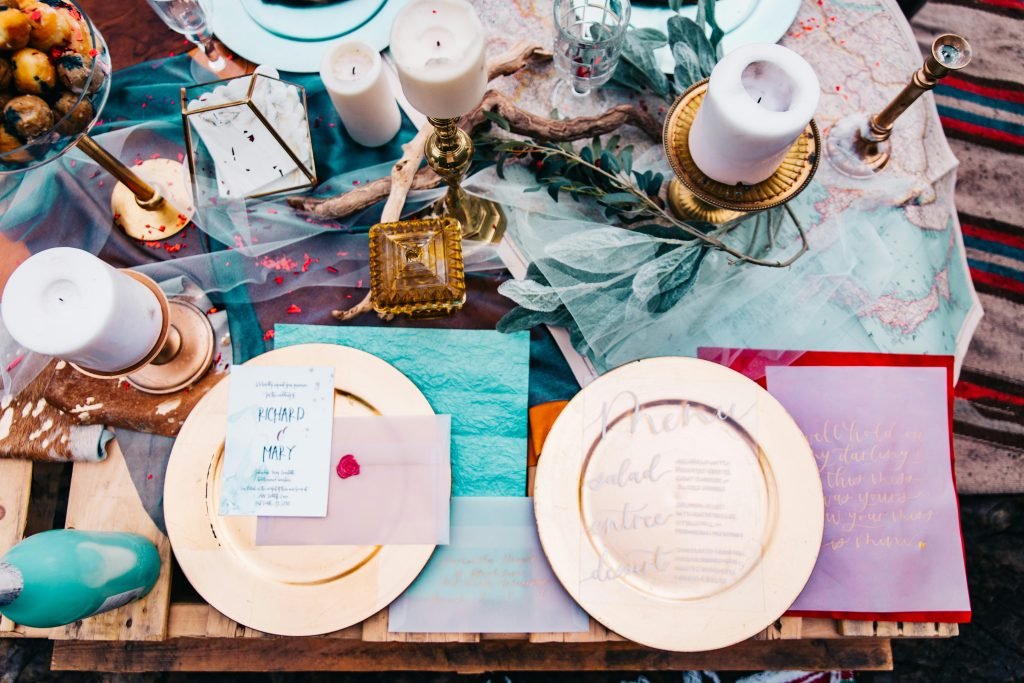
Talented professionals get booked early, so secure yours ASAP.
If your venue doesn’t provide catering, research and book a catering service that fits your budget and style.
Choose someone who resonates with you, whether a professional officiant or a close friend.
Ask your bridesmaids, groomsmen, maid of honor, and best man to be part of your special day.
Bridal gowns can take months to be made and altered, so start shopping now.
Book accommodations for out-of-town guests and share details on your wedding website.

Select a florist who can bring your wedding vision to life.
Hire a band or DJ for the reception and consider music for the ceremony.
Schedule an engagement photoshoot to use for invitations or save-the-date cards.
Send these out early, especially if you have many out-of-town guests.
Finalize your wedding dress and start looking at suits or tuxedos for the groom and groomsmen.
Create your wedding registry and share it with guests.

Schedule tastings with your caterer and finalize food and beverage selections.
Choose a design that matches your wedding theme and order your invitations.
Book a trial run with your hair and makeup artists to perfect your wedding-day look.
Pick out and purchase your wedding rings.
Book flights and accommodations for your honeymoon and ensure passports are up-to-date.
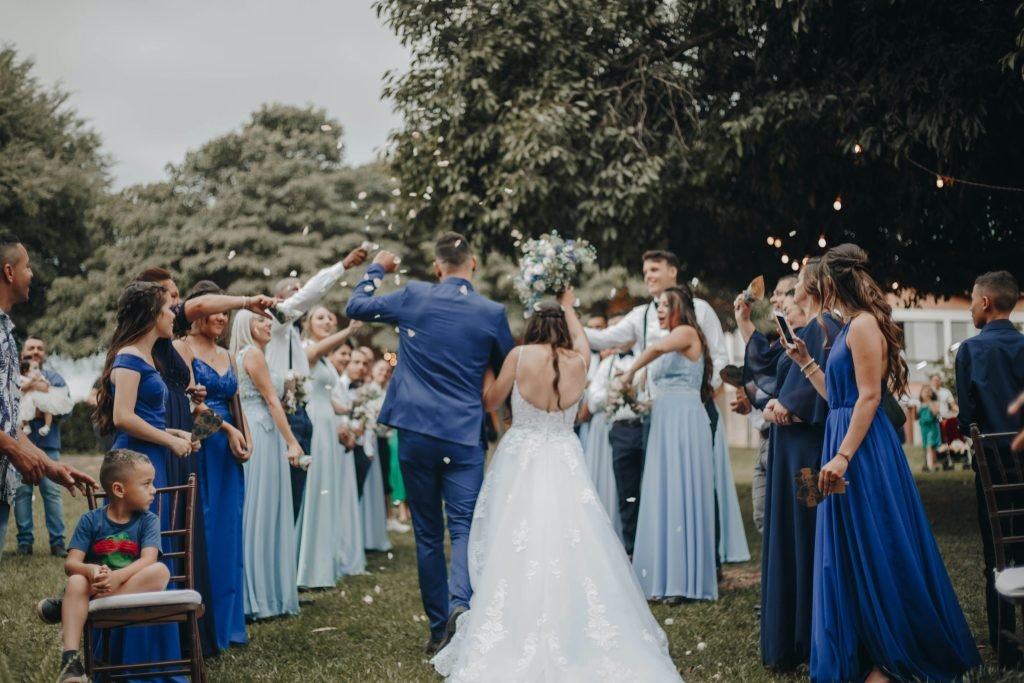
Mail your wedding invitations at least two months before the wedding.
Use your guest RSVPs to start arranging seating.
Shop for shoes, jewelry, and any other accessories.
Book transportation for the wedding party and guests, if necessary.
Make sure your wedding attire fits perfectly.

Research requirements and apply for your marriage license.
Reach out to vendors to confirm details, arrival times, and any last-minute changes.
Share this schedule with your planner, vendors, and wedding party.
Ensure all travel documents and essentials are ready.
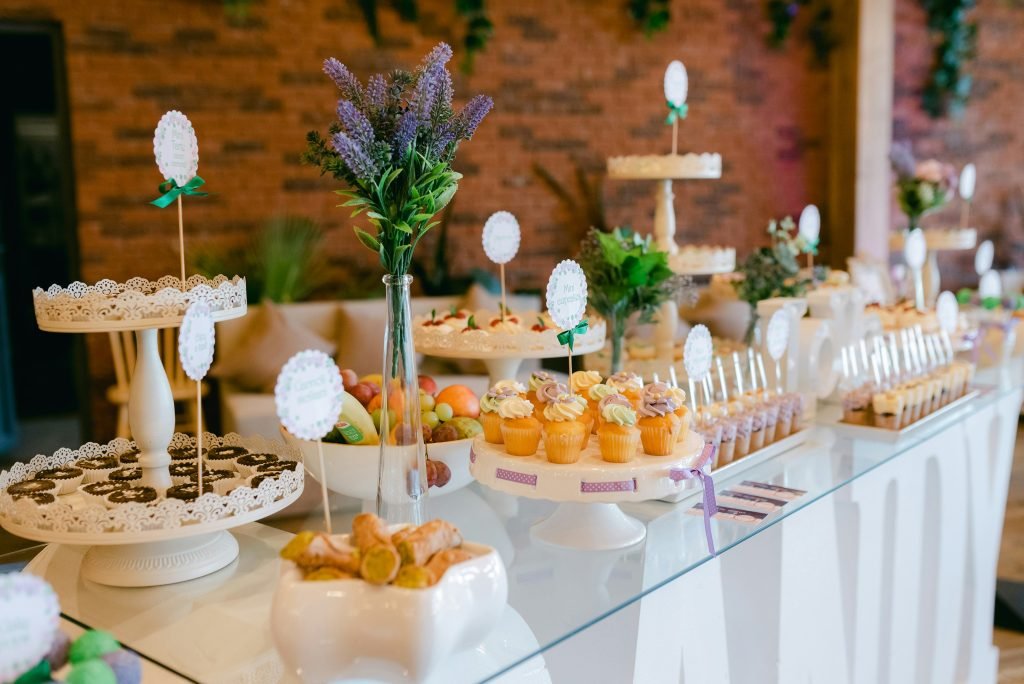
Pick up your wedding dress and ensure everything fits perfectly.
Assign someone to handle last-minute details like vendor tips and day-of coordination.
Include items like stain remover, safety pins, band-aids, and extra makeup.
Hold a wedding rehearsal to ensure everyone knows their roles.
Stay hydrated, eat well, and get enough sleep to feel your best.
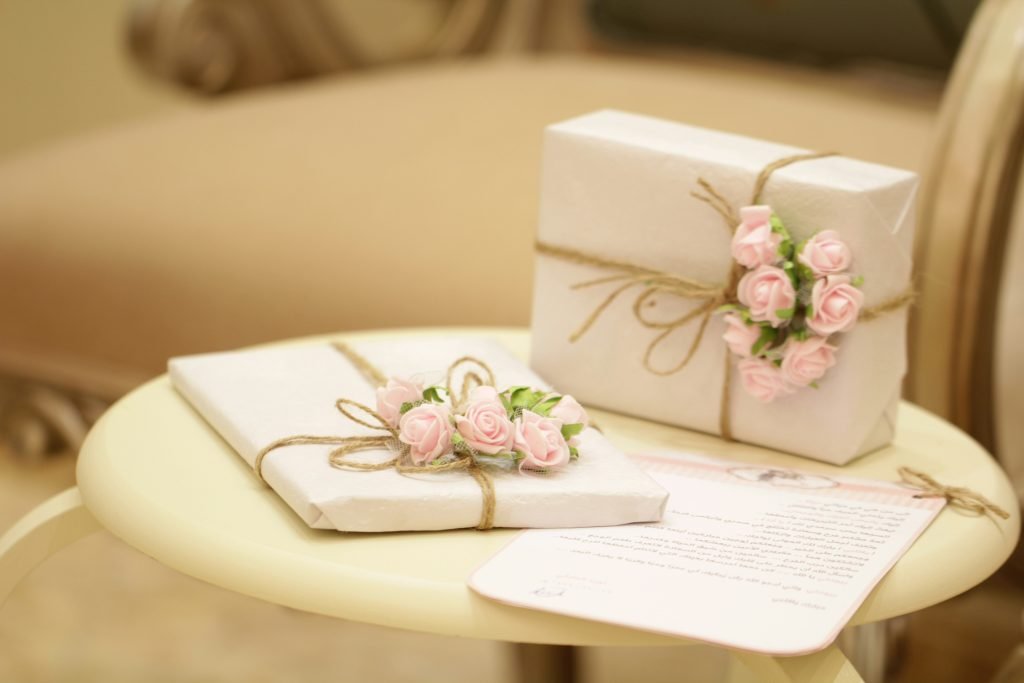
Your big day is here! Relax, enjoy every moment, and soak in the love and joy surrounding you.
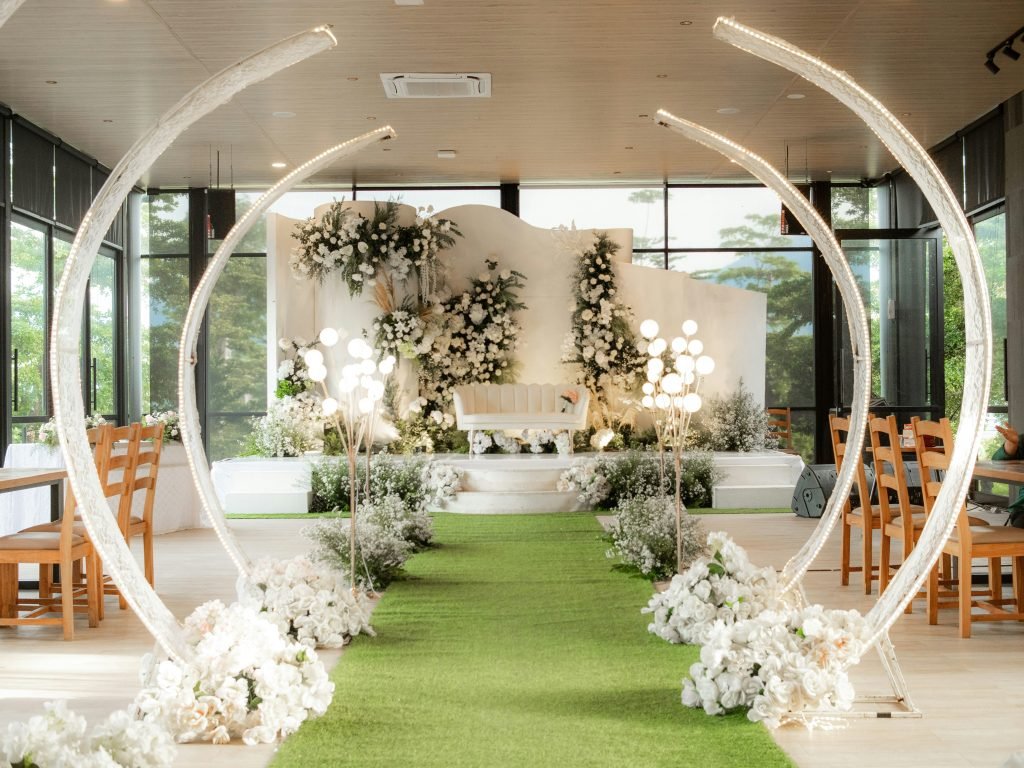
Planning a wedding is a journey, and with this month-by-month guide, you can stay organized and stress-free. If you're feeling overwhelmed, consider hiring a professional wedding planner to help bring your vision to life.
For more wedding planning tips, follow our blog and contact All A’s Events for expert wedding planning services!
Changing your name after marriage is a meaningful tradition that signifies a new chapter in your life. However, the process can vary significantly from state to state, especially in Missouri, Arkansas, Kansas, and Oklahoma. Understanding the specific requirements and procedures for each state can make the transition smoother. As you embark on this exciting journey with your officiant and loved ones, resources like HitchSwitch can simplify the name change process. Let’s explore the steps involved and how you can navigate this important change with ease.
Changing your name after marriage is an important milestone that signifies the start of your new journey together. However, navigating the name change process can be overwhelming without a clear understanding of the requirements specific to your state.
Generally, the first step involves obtaining a certified copy of your marriage certificate, which serves as proof of your new name. This document is essential for updating your identification, such as your driver’s license and Social Security card, as well as financial accounts, insurance policies, and other legal documents.
Each state has its own set of rules and procedures that can complicate the process. For instance, some states may require additional forms or even in-person visits to certain offices. Therefore, knowing what is expected in Missouri, Arkansas, Kansas, and Oklahoma will help you avoid unnecessary delays and complications.
To ease this transition, utilizing resources like HitchSwitch can be incredibly beneficial. HitchSwitch provides a streamlined approach to name changes by offering step-by-step guidance tailored to your state, ensuring you stay organized and informed throughout the process. This way, you can focus on what truly matters—celebrating your marriage—while leaving the complexities of the name change to the experts.
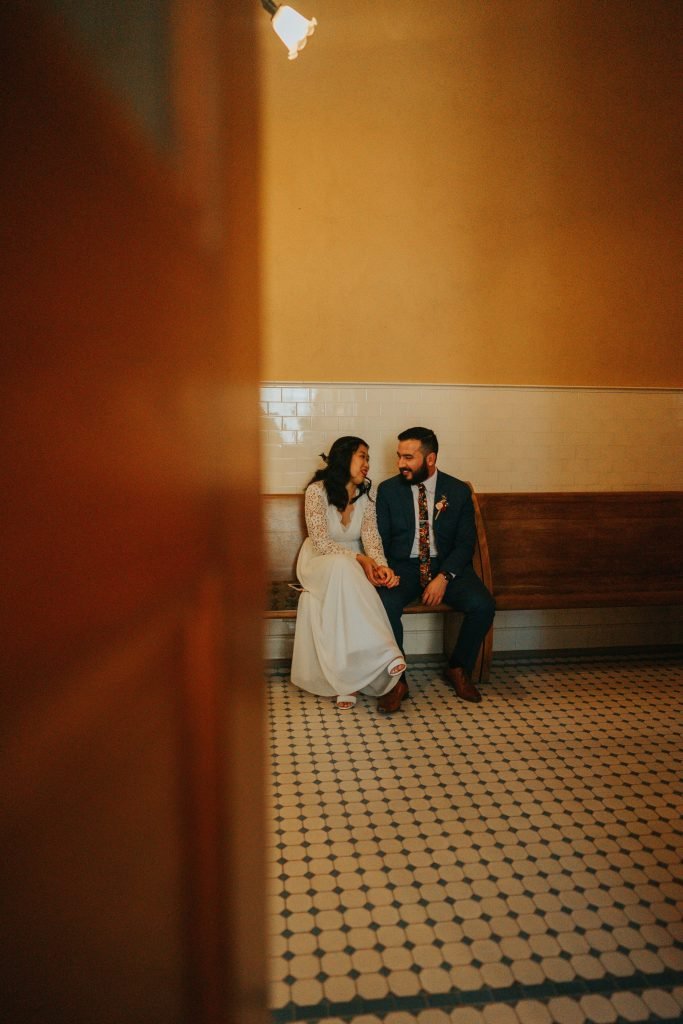
In Missouri, changing your name after marriage involves a few straightforward steps. The first thing you'll need is a certified copy of your marriage certificate, which you can obtain from the county clerk's office where your marriage took place. This document is essential for updating your identification and legal records.
Once you have your marriage certificate, you'll want to update your Social Security card. This step is crucial, as it ensures that your new name is reflected in government records. You can complete this process online or by mail, using the application form available on the Social Security Administration's website.
Next, you’ll need to visit the Missouri Department of Revenue to update your driver’s license or state ID. Bring your marriage certificate and your current identification. This will allow you to receive a new license that reflects your new name.
Additionally, remember to notify your bank, insurance companies, and any other institutions where your name is registered. Updating these accounts is essential to avoid any complications in the future.
HitchSwitch can assist you in Missouri by providing a comprehensive checklist and guidance tailored to your specific needs, ensuring you don’t miss any important steps in the name change process. With this support, you can focus on celebrating your marriage without the stress of managing the details of your name change.
In Arkansas, the name change process after marriage is designed to be straightforward and user-friendly. Start by obtaining a certified copy of your marriage license from the county clerk’s office where you applied for it. This document is crucial, as it serves as proof of your new name.
After securing your marriage certificate, the next step is to update your Social Security card. You can do this by completing the application for a new card, which is available online or in person at your local Social Security office. It’s important to ensure that your new name matches your updated identification.
Next, you’ll need to update your driver's license or state ID at the Arkansas Department of Finance and Administration. Bring your marriage certificate and your current ID, as well as any applicable fees. This ensures that your identification reflects your new name for any legal or identification purposes.
Don’t forget to notify your bank, insurance companies, and any other organizations where your name is registered. This will prevent any complications with your accounts in the future.
Utilizing services like HitchSwitch can simplify the name change process in Arkansas by providing you with a detailed checklist and resources specific to your state. With HitchSwitch, you can navigate the name change journey confidently, ensuring that every detail is managed efficiently, allowing you to focus on celebrating your new marriage.

In Kansas, changing your name after marriage is a straightforward process that involves a few key steps. First, you will need to obtain a certified copy of your marriage certificate from the county clerk's office where you filed for your marriage license. This document serves as proof of your new name and is essential for updating various records.
Once you have your marriage certificate, the next step is to update your Social Security information. You can do this by filling out the application for a new Social Security card, which can be submitted online or in person at your local Social Security office. It's crucial to complete this step first, as it will ensure that all your future documents reflect your new name.
After updating your Social Security records, you will need to visit the Kansas Department of Revenue to change your driver’s license or state ID. Bring your certified marriage certificate and current identification, as well as any applicable fees for the license update. This step is vital for ensuring that your identification matches your new legal name.
Don’t forget to notify banks, insurance companies, and other entities where your name is registered. This will help prevent any issues with your accounts or services.
For those seeking a more organized approach to the name change process in Kansas, HitchSwitch offers tailored resources and checklists to ensure that you cover every aspect of your name change efficiently. With the right support, you can navigate the name change journey with ease, allowing you to focus on celebrating your marriage rather than the paperwork involved.
In Oklahoma, the process of changing your name after marriage is relatively simple, starting with obtaining a certified copy of your marriage certificate from the county court clerk’s office where your marriage license was issued. This document serves as your legal proof of name change.
Next, you’ll want to update your Social Security card. To do this, complete the application for a new card, which can be submitted online or at your local Social Security office. This step is crucial for ensuring that all your legal documents are consistent with your new name.
Once your Social Security information is updated, you should visit the Oklahoma Department of Public Safety to change your driver’s license or state ID. Bring your marriage certificate and existing ID, as well as any fees required for the update. It’s important to ensure that your identification reflects your new name for any legal or identification purposes.
Additionally, notify banks, credit card companies, insurance providers, and any other institutions where your name is registered. This will help you avoid any complications with your accounts and ensure that all records are updated accordingly.
Using services like HitchSwitch can be particularly beneficial in Oklahoma, providing a detailed checklist and tailored guidance throughout the name change process. With the right support, you can efficiently manage the necessary changes and focus on the joys of married life.

As you embark on the journey of changing your name after marriage, it’s natural to have questions. Here are some common inquiries and considerations to keep in mind:
1. What is the timeline for changing my name?
Typically, you should aim to complete your name change within a few weeks of your wedding. This helps ensure that your new name is reflected on important documents as soon as possible.
2. Are there any costs involved?
Most states charge fees for updating identification and legal documents. Be prepared for potential costs related to obtaining certified copies of your marriage certificate and renewing your driver’s license.
3. How do I notify various institutions?
Creating a checklist can help you stay organized. Make sure to notify banks, credit card companies, insurance providers, employers, and any other entities where your name is registered.
4. Can I keep my maiden name?
Yes, you have the option to keep your maiden name or hyphenate it with your spouse's last name. This decision is entirely personal and should reflect your preference.
Using resources like HitchSwitch can provide additional clarity and assistance throughout this process, ensuring you cover all your bases. With the right preparation and support, you can navigate your name change confidently, allowing you to focus on celebrating your marriage.
Changing your name after marriage is an important yet manageable process that varies by state. Understanding the specific steps in Missouri, Arkansas, Kansas, and Oklahoma is crucial for a smooth transition. With the right resources and guidance, like those provided by HitchSwitch, you can navigate the complexities of updating your name with confidence. Remember to stay organized, create a checklist, and take your time to ensure all your documents reflect your new name accurately. Ultimately, this transition is not just about paperwork; it’s a celebration of your new life together.